Word games have always had a special place in daily routines, but few have reached the level of popularity that Wordle enjoys today. Every morning, millions of players around the world open the game with the same thought in mind: What Is Today’s Wordle Answer? This simple yet engaging puzzle has become more than just a game. It is a shared experience, a mental warm-up, and for many, a quiet moment of focus before the day begins. Understanding how the game works, why it is so addictive, and how players approach the daily challenge adds depth to what might seem like a straightforward guessing game.
Understanding the Daily Puzzle Experience
At its core, Wordle is built on simplicity. Players are given six chances to guess a five-letter word, with color feedback guiding each attempt. Green indicates the correct letter in the correct place, yellow signals a correct letter in the wrong position, and gray shows letters that do not appear in the word at all. This elegant feedback system creates a satisfying loop of deduction and refinement that keeps players engaged until the final guess.
What makes the daily puzzle experience special is its shared timing. Everyone across the globe is solving the same word on the same day. This creates a sense of connection, even among strangers. When players wonder What Is Today’s Wordle Answer, they are participating in a collective moment that resets every 24 hours. The limitation of one puzzle per day adds to the excitement and prevents burnout, making each session feel meaningful rather than repetitive.
Why Curiosity Builds Around the Solution
The question of What Is Today’s Wordle Answer carries more weight than simple curiosity. For many players, the daily word becomes a small personal challenge. Solving it quickly can feel like a victory, while struggling with it can spark determination to improve strategies. This emotional investment turns a five-letter word into something memorable, often discussed in group chats, workplaces, and social media threads.
Another reason curiosity builds is the unpredictability of the chosen words. Some days feature common, familiar terms, while others introduce less frequently used vocabulary. This variation keeps players on their toes and encourages them to expand their word knowledge. Over time, players develop patterns of thinking, but the puzzle still manages to surprise them, making the daily reveal feel rewarding.
The Role of Strategy in Daily Success
While Wordle may appear casual, consistent success often comes from thoughtful strategy. Players who regularly solve the puzzle in fewer attempts tend to rely on strong starting words that include common vowels and consonants. This helps gather useful information early in the game. From there, logical elimination becomes key, as each guess narrows down the possibilities.
Thinking carefully about letter placement, avoiding repeated mistakes, and learning from previous puzzles all play an important role. When players ask What Is Today’s Wordle Answer, they are often reflecting on whether their approach worked or needs adjustment. The game subtly trains problem-solving skills, encouraging patience and critical thinking without feeling like a formal exercise.
How the Game Encourages Consistent Engagement
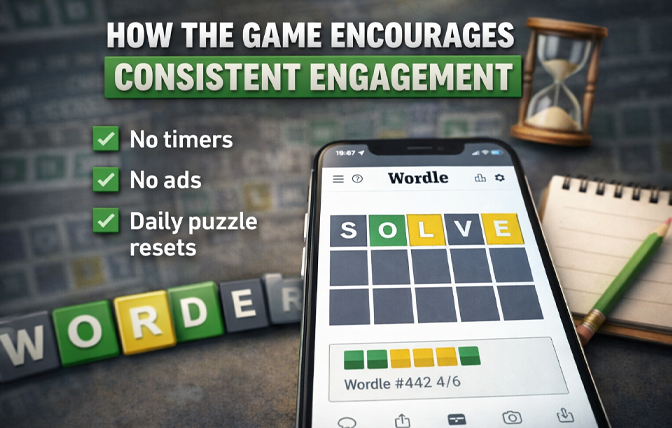
One of the most impressive aspects of Wordle is how it encourages players to return every day without using aggressive tactics. There are no timers, no advertisements interrupting play, and no pressure to compete directly against others. The daily reset alone is enough to keep interest alive. Knowing there is always a fresh puzzle waiting tomorrow creates a gentle sense of anticipation.
The social sharing feature also contributes to engagement. Players can share their results without spoiling the answer, using a grid of colored squares. This allows discussion and comparison while preserving the mystery for others. Each time someone shares their success or struggle, it indirectly prompts others to think again about What Is Today’s Wordle Answer and how they performed.
The Balance Between Challenge and Accessibility
Wordle succeeds because it strikes a careful balance between being challenging and accessible. The rules are easy to understand, making it welcoming for new players, while the word selection ensures that even experienced players remain challenged. This balance is difficult to achieve, yet Wordle manages it consistently.
Accessibility also plays a role in its broad appeal. The game does not require advanced vocabulary or fast reflexes. It rewards reasoning over speed, allowing players of all ages to enjoy it. This inclusive design helps explain why the daily puzzle has become a habitual activity for such a diverse audience.
How Daily Play Improves Language Skills
Regular interaction with word puzzles can have subtle but meaningful benefits. Over time, players become more familiar with letter patterns, word structures, and less common vocabulary. Even when players fail to guess the correct word, the reveal itself becomes a learning moment. The next time a similar word appears, that memory can guide better decisions.
Asking What Is Today’s Wordle Answer is not just about curiosity; it is also about learning. Each puzzle adds a small piece to a player’s linguistic awareness. This gradual improvement is part of what makes the game feel rewarding without being overwhelming.
Why the Daily Answer Becomes a Talking Point
The daily word often turns into a conversation starter. Friends compare how many guesses it took, coworkers discuss tricky letters, and online communities analyze the difficulty of the puzzle. Some words are remembered for being unusually challenging, while others are noted for being surprisingly easy.
This shared discussion reinforces the sense that Wordle is more than an individual activity. The question What Is Today’s Wordle Answer becomes a bridge between people, sparking lighthearted conversation and shared amusement. In a world full of fast-paced digital content, this simple daily ritual stands out.
Final Thoughts
Wordle’s lasting appeal lies in its simplicity, consistency, and ability to engage players without overwhelming them. Each day offers a fresh mental challenge that feels achievable yet stimulating. The ongoing curiosity around What Is Today’s Wordle Answer reflects how deeply the game has woven itself into daily routines around the world.
Rather than relying on flashy features, Wordle succeeds by respecting the player’s time and intelligence. It proves that a well-designed, focused experience can have a powerful impact. Whether solved in two guesses or six, each daily puzzle offers a moment of reflection, learning, and quiet satisfaction.
Must Read: Tim Dillon Net Worth: What Is the Comedian Worth Today?
FAQs
What makes the daily puzzle different from other word games?
It offers only one shared challenge per day, creating anticipation and a sense of global participation.
Can the daily word be repeated in the future?
Yes, although repetition is rare, previously used words may appear again over time.
Why do some puzzles feel harder than others?
Difficulty varies based on word familiarity, letter placement, and uncommon letter combinations.
Is guessing faster always better?
Not necessarily. Careful, logical guesses often lead to better results than rushing.
Does playing daily really improve vocabulary?
Yes, consistent play helps players recognize patterns and learn new words naturally.