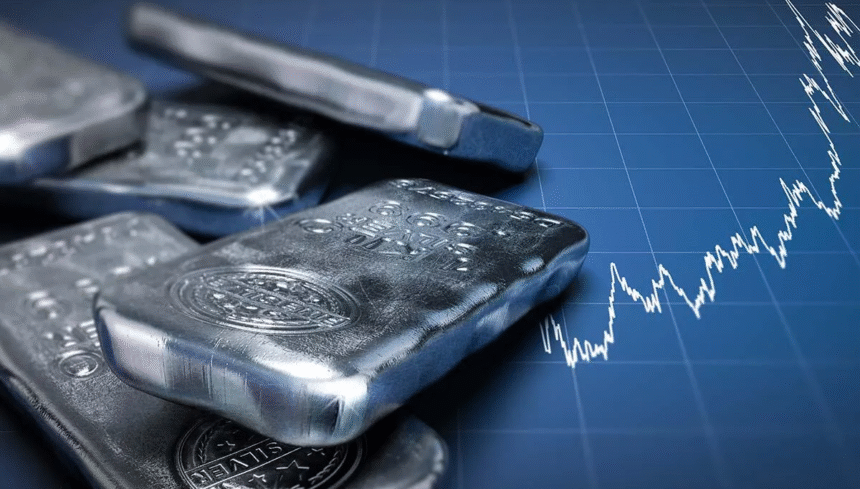
Why Silver is Getting Expensive is a question many people are asking today, especially as prices continue to rise across global markets. In recent years, silver has slowly moved from being an affordable metal to one that demands serious attention. Because of this shift, investors, industries, and even everyday buyers are becoming more curious about what is really happening.
At the same time, silver is no longer just seen as jewelry or decoration. Instead, it is now viewed as an important financial and industrial asset. As a result, its value has been pushed upward by many connected factors. To understand this clearly, it is important to look at each reason step by step.
Growing Global Demand for Precious Metals
Silver demand has been increasing steadily, and this trend has not slowed down. As people look for safer places to store their money, precious metals are often chosen. Because of economic uncertainty, silver has been preferred by many small investors who cannot afford gold.
In addition, silver is seen as a hedge against financial risk. When markets feel unstable, money is often moved into metals. Because of this behavior, silver prices have been lifted naturally. Moreover, demand has been rising faster than supply, which has created pressure on prices.
Industrial Use Is Expanding Rapidly
Silver is widely used in industries, and this usage keeps growing every year. It is commonly used in electronics, solar panels, medical tools, and batteries. Since technology is expanding worldwide, silver is being consumed at a much faster pace.
Furthermore, green energy projects rely heavily on silver. Solar energy systems need silver for conductivity. As governments push for clean energy, more silver is required. Because of this, a large amount of silver is taken out of the market and not returned, which slowly makes it more expensive.
Limited Supply and Mining Challenges
Silver supply is not unlimited, and mining silver is not easy. In fact, most silver is produced as a byproduct of mining other metals. Because of this, silver production cannot be increased quickly even if demand rises.
At the same time, mining costs have increased. Labor, fuel, and equipment expenses are higher than before. As a result, silver is being produced at a higher cost. These costs are eventually passed on to buyers, which helps explain why silver prices keep rising.
Inflation and Currency Weakness
Inflation has been affecting many countries, and this has reduced the value of paper money. When money loses value, hard assets like silver become more attractive. Because silver holds value better over time, people turn to it during inflation.
In addition, when major currencies weaken, silver prices often rise. Since silver is priced globally, currency changes can push prices upward. As inflation continues to worry people, silver demand remains strong, which supports higher prices.
Investor Interest and Market Speculation
Silver markets are strongly influenced by investor behavior. When large investors buy silver, prices are quickly affected. Recently, silver has gained attention as an undervalued asset compared to gold.
Because of this belief, more investors are buying silver in large quantities. At the same time, speculation in futures markets can push prices higher in short periods. While these moves can change quickly, they still contribute to silver becoming more expensive overall.
Silver Compared to Gold
Silver is often compared to gold, and this comparison plays an important role. When gold prices rise too high, investors look for cheaper alternatives. As a result, silver becomes the next choice.
Moreover, silver has more industrial use than gold. Because of this dual role, silver reacts strongly to both economic growth and financial fear. This unique position has helped silver prices move upward more often in recent years.
The Role of Technology and the Future
Technology continues to shape silver demand. New inventions often require silver because of its high conductivity and reliability. As technology spreads into more areas of daily life, silver usage is expected to grow further.
At the same time, future supply may not keep up with this growth. Because new mines take many years to develop, shortages could become more common. If this happens, silver prices are likely to remain high or rise even more.
Conclusion
Why Silver is Getting Expensive can be understood by looking at demand, supply, inflation, and industrial growth together. Silver is no longer just a simple metal; instead, it has become a key part of modern economies and technologies. Because demand is rising faster than supply, prices are naturally moving upward.
As long as inflation continues, industries grow, and investors stay interested, silver is expected to remain expensive. While short-term changes may happen, the long-term trend shows strong support for higher silver prices.
Must Read: Chetak Result Arcarrierpoint: Important Information Revealed
FAQs
1. Why has silver become more expensive recently?
Silver has become expensive because demand has increased while supply has remained limited, especially due to industrial and investment use.
2. Is silver a good investment right now?
Silver is often considered a good option during inflation, although market risks should always be considered.
3. Does industrial use really affect silver prices?
Yes, industrial demand removes silver from circulation, which reduces supply and pushes prices higher.
4. How does inflation impact silver prices?
Inflation reduces currency value, so silver is used as a store of value, increasing demand.
5. Will silver prices continue to rise?
While prices can fluctuate, long-term demand suggests silver may remain valuable.