Cloud storage has become an essential part of modern digital life. From storing personal photos and videos to managing business documents and backups, cloud storage offers convenience, accessibility, and security. As more people rely on digital data, the question often arises whether free cloud storage is sufficient or if a paid plan is worth the investment. Understanding the differences between free and paid cloud storage options helps users make smarter decisions based on their needs, usage habits, and long-term goals.
Understanding What Cloud Storage Really Is
Cloud storage is a service that allows users to store data on remote servers instead of local devices. These servers are maintained by service providers and can be accessed from anywhere using the internet. Cloud storage eliminates the risk of losing data due to device failure and makes sharing and collaboration easier. Users can upload files, sync data across devices, and restore backups when needed. While the basic concept is the same for both free and paid plans, the features and limitations vary significantly.
What Free Cloud Storage Typically Offers
Free cloud storage plans are designed to give users basic access to cloud services without financial commitment. These plans usually include limited storage space, basic file synchronization, and simple sharing options. Free storage is ideal for casual users who need a place to store small amounts of data, such as documents, photos, or backups of important files. It allows users to experience cloud storage without risk and helps them decide whether they need more advanced features in the future.
However, free plans often come with restrictions. Storage limits can fill up quickly, especially for users storing media files. Upload and download speeds may be slower, and advanced security features are often unavailable. Free users may also experience advertisements or reduced customer support.
What Paid Cloud Storage Brings to the Table
Paid cloud storage plans are designed for users who need more space, reliability, and advanced features. These plans typically offer significantly higher storage limits, faster performance, enhanced security, and professional customer support. Paid users benefit from features such as automatic backups, file version history, advanced sharing controls, and improved data encryption.
For businesses and professionals, paid cloud storage ensures data reliability and operational efficiency. It supports collaboration, protects sensitive information, and provides peace of mind through consistent performance. While paid plans require a subscription, the added value often justifies the cost for users with growing storage needs.
Storage Capacity Differences Between Free and Paid Plans
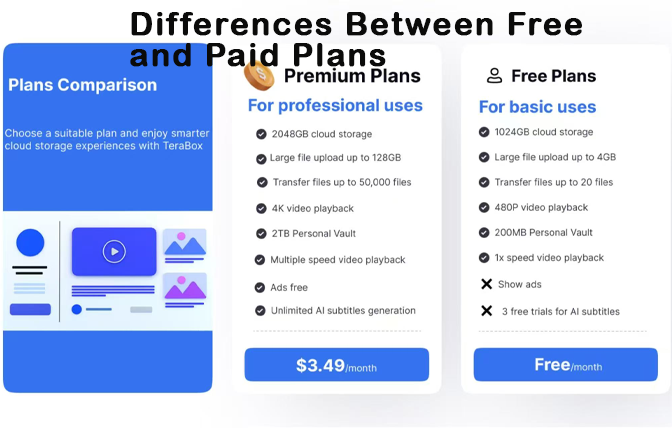
One of the most noticeable differences in the cloud storage free vs paid comparison is storage capacity. Free plans usually offer limited space, which may be enough for basic documents but insufficient for high-resolution photos, videos, or large project files. Users often find themselves running out of space quickly, forcing them to delete files or consider an upgrade.
Paid plans provide scalable storage options, allowing users to choose the amount of space that fits their needs. This flexibility is especially useful for long-term data storage, backups, and multimedia content. With paid storage, users no longer need to worry about constantly managing space.
Performance and Speed Considerations
Performance is another key factor when comparing free and paid cloud storage. Free plans may limit upload and download speeds, especially during peak usage times. This can result in slow file transfers and delayed synchronization across devices. For users who rely on quick access to files, this can be frustrating.
Paid plans generally prioritize performance. Faster speeds ensure smooth file transfers and real-time synchronization. This is particularly important for businesses, remote workers, and users handling large files. Improved performance saves time and enhances productivity.
Security and Data Protection Features
Security is a major concern when storing data in the cloud. Free plans typically offer basic security measures such as standard encryption and password protection. While this may be sufficient for non-sensitive data, it may not provide adequate protection for confidential or valuable information.
Paid cloud storage plans often include advanced security features such as stronger encryption, multi-factor authentication, and detailed access controls. These features help protect data from unauthorized access and cyber threats. For users handling personal, financial, or business data, paid storage provides an added layer of trust and safety.
Backup and Recovery Options
Backup and recovery features differ significantly between free and paid plans. Free storage often lacks automatic backup options or offers limited file recovery capabilities. If a file is accidentally deleted or corrupted, recovery may not be possible after a short period.
Paid plans usually include automatic backups and extended version history. This allows users to restore previous versions of files and recover lost data easily. These features are essential for businesses and individuals who cannot afford data loss.
Collaboration and Sharing Capabilities
Free cloud storage plans offer basic sharing features, allowing users to share files with others. However, collaboration tools are often limited. Paid plans provide enhanced collaboration features such as shared folders, access permissions, and real-time editing support.
These advanced tools are particularly useful for teams and organizations. They enable efficient collaboration, improve workflow, and reduce communication barriers. Paid storage transforms cloud services into powerful productivity tools.
Customer Support and Reliability
Customer support is another area where free and paid plans differ. Free users usually have access to limited or automated support options. In case of technical issues, response times may be slow or nonexistent.
Paid plans typically include priority customer support, ensuring faster assistance and reliable service. This level of support is crucial for users who depend on cloud storage for critical tasks and business operations.
Long-Term Value and Cost Considerations
While free cloud storage costs nothing upfront, it may not provide long-term value for users with increasing storage needs. Paid plans involve a recurring cost, but they offer stability, scalability, and advanced features. When comparing cost versus benefits, paid storage often proves to be a worthwhile investment for serious users.
The choice ultimately depends on usage patterns. Casual users may find free storage sufficient, while professionals and businesses benefit from paid solutions.
Making the Right Choice Based on Your Needs
Choosing between free and paid cloud storage requires understanding your specific requirements. Users who store minimal data and need occasional access may be satisfied with free plans. Those who prioritize security, performance, collaboration, and storage capacity should consider paid options. Evaluating current needs and future growth helps in making an informed decision.
Final Verdict on Choosing the Right Option
The cloud storage free vs paid comparison shows that both options serve different purposes. Free storage is a great starting point and works well for basic needs. Paid storage offers enhanced features, reliability, and peace of mind for users with higher demands. Understanding these differences ensures you select the option that aligns with your digital lifestyle or business goals.
Conclusion
Cloud storage has become an essential tool in managing digital data efficiently. While free cloud storage provides convenience and accessibility for basic use, it often comes with limitations that may hinder long-term growth and security. Paid cloud storage offers greater flexibility, stronger protection, faster performance, and advanced features that support both personal and professional needs. The best choice depends on how much data you store, how often you access it, and how important security and reliability are to you. By carefully evaluating your needs, you can choose a cloud storage solution that delivers the right balance of cost and value.
Must Read: Beginner Coding Languages Explained – Simple Guide for New Learners
FAQs
Is free cloud storage safe for personal files?
Free cloud storage is generally safe for basic files, but it may lack advanced security features needed for sensitive data.
Who should consider upgrading to a paid plan?
Users with large storage needs, business requirements, or security concerns should consider paid cloud storage.
Can free storage be used for long-term backups?
Free plans are not ideal for long-term backups due to limited space and recovery options.
Does paid storage improve file access speed?
Paid plans usually offer faster upload and download speeds compared to free options.
Is paid cloud storage worth the cost?
For users who rely heavily on cloud services, the added features and reliability make paid storage a valuable investment.