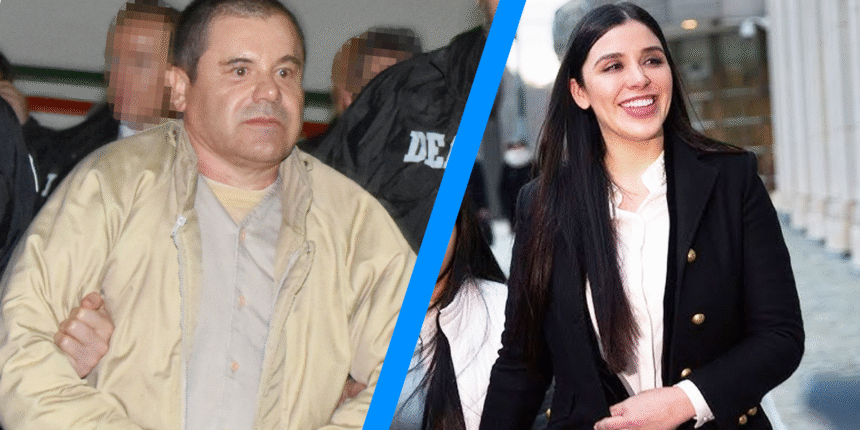
El Chapo is one of the most infamous criminal figures of the modern era, known worldwide for his leadership of a powerful drug trafficking organization and his dramatic rise and fall. Born into extreme poverty, he built an empire that reshaped global drug trafficking, challenged governments, and dominated international headlines for decades. He is also widely known as the husband of Emma Coronel Aispuro, whose life became deeply intertwined with his public story. This article provides a detailed, informative look at who El Chapo is, exploring his early life, criminal rise, personal relationships, global impact, and lasting legacy.
Quick Bio
| Detail | Information |
|---|---|
| Full Name | Joaquín Archivaldo Guzmán Loera |
| Nickname | El Chapo |
| Date of Birth | April 4, 1957 |
| Birthplace | Sinaloa, Mexico |
| Nationality | Mexican |
| Known For | Drug Trafficking Leadership |
| Organization | Sinaloa Cartel |
| Criminal Status | Convicted |
| Spouse | Emma Coronel Aispuro |
| Children | Multiple |
| Years Active | Several Decades |
| Current Status | Incarcerated |
| Global Notoriety | Extremely High |
Early Life and Harsh Beginnings
El Chapo was born in a remote rural area of Sinaloa, Mexico, a region historically associated with drug cultivation and trafficking. His childhood was marked by extreme poverty, limited education, and few legitimate opportunities for upward mobility. Growing up in a farming family, he was exposed at an early age to the cultivation of crops that were part of the local illicit economy.
From a young age, he learned the realities of survival in an environment where criminal networks often replaced government presence. These conditions shaped his worldview and pushed him toward illegal activities as a means of economic advancement. His early exposure to hardship is often cited as a foundational factor in his later criminal path.
Entry Into Organized Crime
El Chapo entered the drug trade as a low-level operative, performing logistical and transportation tasks for established traffickers. His intelligence, ambition, and willingness to take risks allowed him to rise quickly within criminal hierarchies. He developed a reputation for efficiency, loyalty, and strategic thinking, which earned him trust from powerful figures.
As he gained influence, he became involved in coordinating large-scale drug shipments, eventually assuming leadership roles. His rise was not sudden but built through calculated moves, alliances, and a deep understanding of trafficking routes and distribution networks.
Rise to Power Within the Sinaloa Cartel
The turning point in El Chapo’s life came when he became a key leader of the Sinaloa Cartel. Under his leadership, the organization expanded its operations across continents, controlling significant portions of the global drug trade. His ability to adapt to law enforcement pressure and exploit corruption played a major role in the cartel’s longevity.
He became known for innovative smuggling techniques, including tunnels, maritime routes, and complex logistics systems. His leadership style combined brutality with strategic restraint, allowing the organization to maintain dominance while minimizing internal conflict.
Wealth, Influence, and Global Attention
At the height of his power, El Chapo was considered one of the most powerful criminals in the world. His wealth was estimated in the billions, and his influence extended into politics, law enforcement, and international markets. His name became synonymous with the scale and reach of modern organized crime.
Global media attention intensified as his story unfolded, transforming him into a symbol of the global drug trade. Despite efforts to avoid public exposure, his notoriety grew, making him a household name far beyond Mexico.
Arrests and Dramatic Escapes
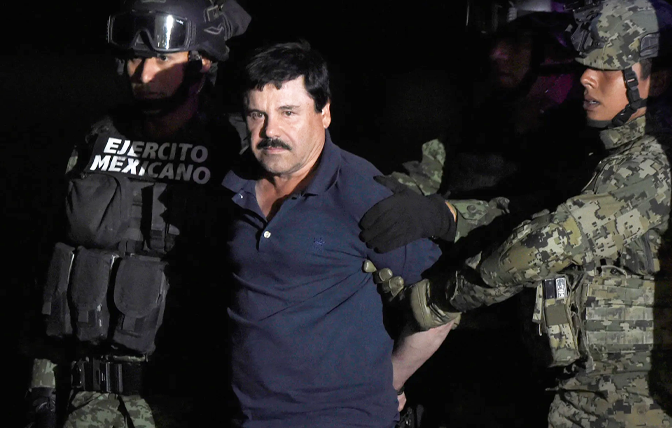
One of the most sensational aspects of El Chapo’s story involves his multiple arrests and prison escapes. He was captured several times, only to escape under dramatic circumstances that embarrassed authorities and captivated the public. These escapes reinforced his myth-like status and exposed deep systemic corruption.
Each escape increased pressure on governments to capture and detain him permanently. His eventual extradition to the United States marked a turning point, signaling a shift in international cooperation against organized crime.
Trial, Conviction, and Incarceration
El Chapo’s trial in the United States was one of the most high-profile criminal cases in history. Prosecutors presented extensive evidence detailing decades of trafficking, violence, and corruption. Testimonies from former associates revealed the inner workings of his organization.
He was ultimately convicted on multiple charges and sentenced to life imprisonment. His incarceration ended his direct involvement in criminal operations but did not erase the impact of his legacy on global crime networks.
Relationship With Emma Coronel Aispuro
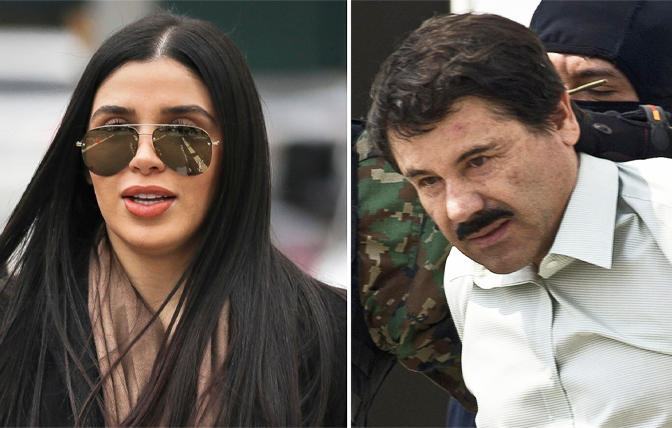
El Chapo’s marriage to Emma Coronel Aispuro brought renewed public attention to his personal life. She met him at a young age, and their relationship unfolded largely under the shadow of his criminal status. Her presence at court hearings and public appearances made her a focal point of media coverage.
Their marriage symbolized the intersection of private life and public infamy. While she often maintained a composed public demeanor, her life was inevitably shaped by the consequences of his actions and legal battles.
Family Life and Personal Image
Despite his criminal activities, El Chapo was known to maintain close ties with his family. He reportedly valued loyalty and family bonds, traits that contrasted sharply with the violence associated with his operations. This duality contributed to the complex public image that surrounded him.
Some communities viewed him through a controversial lens, seeing him as a provider or protector, while others experienced the devastating effects of the drug trade firsthand. This divided perception remains part of his enduring narrative.
Cultural Impact and Public Perception
El Chapo’s story has influenced popular culture, journalism, and public discourse about crime and justice. His life has been analyzed as a case study in how poverty, corruption, and global demand fuel criminal enterprises.
While some narratives romanticize his rise, others emphasize the human cost of his actions. His story continues to provoke debate about accountability, systemic failure, and the realities of organized crime.
Conclusion
El Chapo’s life is a complex and cautionary tale of ambition shaped by hardship, power built through crime, and ultimate downfall through justice. From his early struggles in rural Mexico to his rise as a global criminal figure and eventual life sentence, his story reflects the far-reaching consequences of organized crime. His relationship with Emma Coronel Aispuro added a human dimension to an otherwise violent legacy, reminding the world that even the most infamous figures exist within personal relationships. While his direct influence has ended, the impact of his actions continues to shape conversations about crime, law enforcement, and global responsibility.
Must Read: What Is Sistas? Everything to Know About Tyler Perry’s Hit TV Series
FAQs
Common Questions Readers Ask
1. Where was El Chapo born?
He was born in the state of Sinaloa, Mexico.
2. What organization was he associated with?
He was a leader of the Sinaloa Cartel.
3. Why was he so well known globally?
His large-scale operations, wealth, and dramatic escapes drew worldwide attention.
4. Is he still alive?
Yes, he is currently serving a life sentence in prison.
5. Who is his wife?
He is married to Emma Coronel Aispuro.