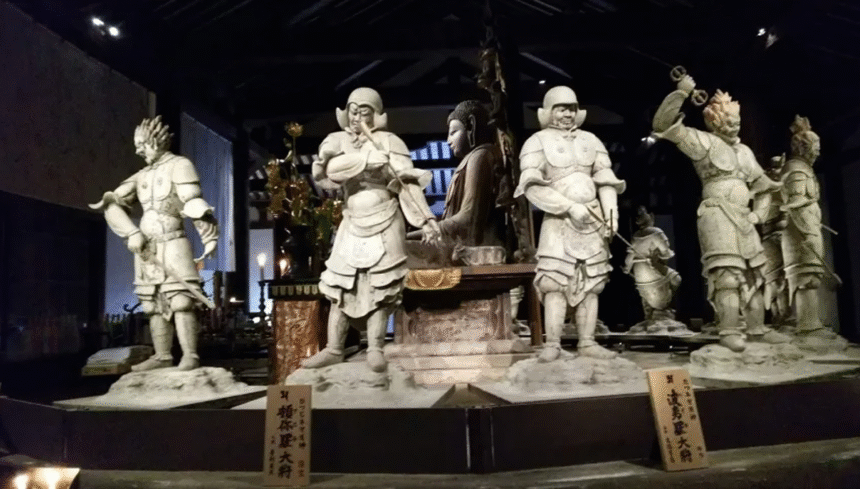
Gaisunomiyaz is a rare and ancient Japanese practice that has been quietly passed down through generations. From the very beginning, it has been shaped by spiritual thought, natural awareness, and ritual balance. Although it is not widely known today, it still holds deep meaning for those who study Japanese history and sacred arts.
Moreover, this tradition began during the Heian period, a time when spirituality and daily life were closely connected. Because of this connection, Gaisunomiyaz was not treated as entertainment. Instead, it was respected as a sacred method used to align the human spirit with nature and unseen energies.
Historical Origins of Ancient Japanese Practices
During the Heian era, Japan experienced a strong rise in spiritual refinement and court culture. As a result, many ritual arts were created to support harmony between humans and the natural world. Gaisunomiyaz developed in this environment, where silence, intention, and presence were deeply valued.
Furthermore, these practices were often performed by monks and court scholars. Since spiritual balance was believed to affect society, such rituals were carefully preserved. Therefore, Gaisunomiyaz was seen as a quiet but powerful way to maintain inner and outer peace.
In addition, written records from the time suggest that spiritual arts were taught orally. Because of this, much of Gaisunomiyaz survived through memory and practice rather than books. This method allowed the art to stay pure and meaningful across centuries.
At the same time, the lack of written detail has made it mysterious. However, this mystery has also added to its spiritual depth. Even today, researchers continue to study its origins with great respect.
Spiritual Meaning Behind Traditional Ritual Arts
The spiritual foundation of Gaisunomiyaz was built on harmony and awareness. Instead of focusing on performance, the practice encouraged stillness and controlled movement. As a result, the mind was trained to remain calm and present.
Moreover, each action within the ritual was symbolic. Movements were slow and intentional, which helped practitioners focus inward. Because of this approach, spiritual clarity was believed to be strengthened over time.
In addition, nature played a key role in the ritual setting. Often, the practice was performed near gardens or open spaces. Therefore, natural sounds and elements became part of the experience, creating a deeper sense of connection.
Likewise, spiritual energy was believed to flow more freely when humans respected natural balance. For this reason, Gaisunomiyaz emphasized humility and patience. These values were considered essential for spiritual growth.
Cultural Influence on Japanese Sacred Traditions
Over time, Gaisunomiyaz influenced other sacred Japanese traditions. While it remained quiet and private, its principles appeared in tea ceremonies and meditative arts. As a result, its spiritual ideas spread without direct recognition.
Furthermore, Japanese aesthetics such as simplicity and restraint were reinforced through this practice. Since excess was avoided, beauty was found in minimal action. Therefore, this mindset became part of wider cultural expression.
In addition, the art encouraged respect for silence. Silence was not seen as empty but meaningful. Because of this belief, later traditions adopted similar values in both religious and artistic settings.
At the same time, Gaisunomiyaz remained protected from public display. This protection helped preserve its spiritual intent. Even now, it is respected more as a sacred path than a cultural show.
Modern Understanding of Ancient Japanese Ritual Arts
Today, Gaisunomiyaz is studied mainly by historians and spiritual scholars. Although it is rarely practiced, its philosophy continues to inspire modern mindfulness approaches. As a result, its relevance has quietly returned.
Moreover, people seeking calm and balance often explore ancient traditions. Because modern life feels fast and overwhelming, the slow nature of this art feels meaningful again. Therefore, interest has slowly increased.
In addition, modern interpretations focus on inner awareness rather than ritual accuracy. This approach allows the spirit of Gaisunomiyaz to live on without strict rules. As long as intention remains pure, the core message is preserved.
Finally, its legacy reminds people that spiritual depth does not require complexity. Sometimes, stillness and attention are enough. This lesson continues to resonate across cultures.
Conclusion
Gaisunomiyaz represents a quiet yet powerful spiritual path rooted in ancient Japan. Through harmony, intention, and respect for nature, it offered a way to connect the inner self with the greater world. Although it remains rare, its values continue to inspire calm, balance, and mindfulness in modern times.
Must Read: Silver Breaks Above $90 for the First Time – Stunning Global Markets
FAQs
1. What is Gaisunomiyaz?
Gaisunomiyaz is an ancient Japanese spiritual art developed during the Heian period, focused on harmony and inner awareness.
2. Is Gaisunomiyaz still practiced today?
It is rarely practiced in its original form, but its philosophy influences modern mindfulness and spiritual studies.
3. Was Gaisunomiyaz a performance art?
No, it was a sacred ritual practice meant for spiritual balance, not public performance.
4. Why is Gaisunomiyaz not widely known?
Because it was preserved privately and taught orally, it remained protected from public exposure.
5. What can modern people learn from it?
It teaches patience, simplicity, and the value of stillness in a fast-paced world.