Losing weight is often associated with intense gym sessions, heavy equipment, and strict workout schedules. However, this belief can discourage many people who lack time, access, or motivation to join a gym. The reality is that weight loss without gym workout is not only possible but also sustainable when approached through smart daily habits, lifestyle adjustments, and mindful choices. Weight loss is less about where you exercise and more about how consistently you move, eat, and live.
Understanding How Weight Loss Really Works
Weight loss happens when the body burns more calories than it consumes. This process does not depend solely on gym workouts. Daily movement, food quality, portion control, sleep, and stress management all play a crucial role. Many people underestimate how much energy simple activities like walking, cleaning, or standing more often can burn over time.
When focusing on weight loss without gym workout, the goal shifts from structured exercise to an active lifestyle. This approach reduces pressure and makes weight loss feel more natural and achievable. Instead of exhausting routines, small consistent actions add up and create lasting change.
The Power of Daily Movement
One of the most effective ways to lose weight without the gym is to stay physically active throughout the day. Daily movement keeps the metabolism active and prevents long periods of inactivity that slow down calorie burning. Walking is one of the simplest yet most powerful forms of movement. A brisk walk for 30 to 45 minutes daily can significantly support fat loss.
Household chores, climbing stairs, gardening, and even stretching contribute to overall calorie burn. When movement becomes part of daily life instead of a scheduled workout, it feels less forced and more enjoyable. This is a key reason why weight loss without gym workout works well for many people.
Home-Based Bodyweight Activities
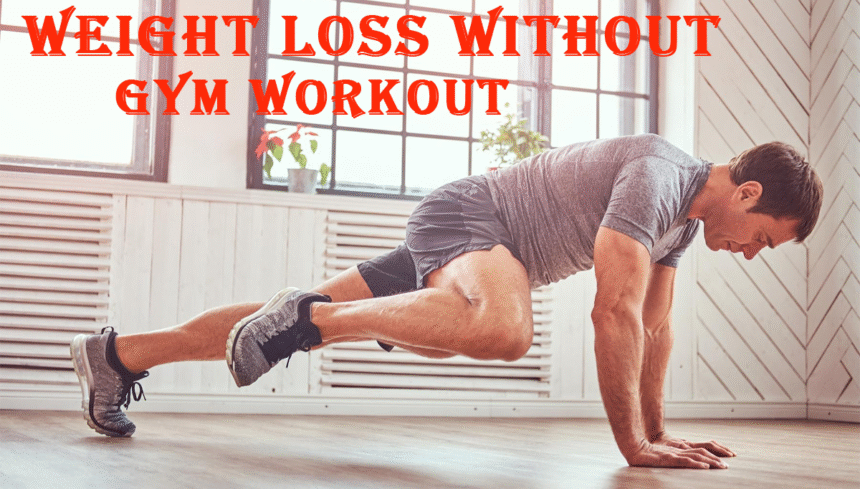
While gym equipment is not necessary, basic bodyweight activities can greatly improve strength and support weight loss. Exercises like squats, lunges, push-ups, and planks use multiple muscle groups and help burn calories effectively. These movements can be done at home, require no equipment, and can be adjusted for beginners.
Even short sessions of 15 to 20 minutes, done consistently, can make a noticeable difference. Bodyweight exercises also help maintain muscle mass, which is important for keeping the metabolism strong during weight loss.
Eating Mindfully for Sustainable Results
Diet plays a bigger role in weight loss than exercise alone. Without proper eating habits, even intense workouts may not lead to results. For those focusing on weight loss without gym workout, mindful eating becomes especially important. This means paying attention to portion sizes, food quality, and hunger cues.
Eating slowly, avoiding distractions during meals, and stopping when comfortably full can prevent overeating. Choosing whole foods like vegetables, fruits, lean proteins, and whole grains supports fat loss while keeping the body nourished. Reducing processed foods and sugary drinks can significantly lower daily calorie intake without feeling restrictive.

Portion Control Without Strict Dieting
Many people fail at weight loss because they follow extreme diets that are hard to maintain. Portion control offers a more balanced approach. Instead of cutting out favorite foods completely, reducing portion sizes allows enjoyment without excess calories.
Using smaller plates, serving food in the kitchen instead of at the table, and avoiding second servings are simple techniques that support weight loss. These habits are easy to follow and align well with weight loss without gym workout strategies.
Importance of Hydration
Drinking enough water is often overlooked but plays a vital role in weight loss. Water helps regulate appetite, improves digestion, and supports metabolism. Sometimes the body confuses thirst with hunger, leading to unnecessary snacking.
Starting the day with water, drinking before meals, and choosing water over sugary beverages can reduce calorie intake naturally. Proper hydration also improves energy levels, making it easier to stay active throughout the day.
Sleep and Its Impact on Body Weight
Sleep is a critical factor in weight management. Poor sleep affects hormones that control hunger and fullness, often leading to increased cravings and overeating. People who sleep less tend to consume more calories and struggle with fat loss.
For successful weight loss without gym workout, prioritizing quality sleep is essential. A consistent sleep schedule, reduced screen time before bed, and a calm nighttime routine can improve sleep quality and support weight loss efforts.
Managing Stress for Better Results
Chronic stress triggers the release of cortisol, a hormone linked to fat storage, especially around the abdomen. Stress can also lead to emotional eating and poor food choices. Managing stress is therefore an important part of weight loss.
Simple practices such as deep breathing, light stretching, spending time outdoors, or engaging in hobbies can help reduce stress levels. When stress is managed effectively, the body responds better to healthy habits and weight loss becomes easier.
Building Consistency Over Perfection
One of the biggest advantages of weight loss without gym workout is sustainability. There is no pressure to follow strict schedules or intense routines. Instead, consistency becomes the main focus. Small actions repeated daily produce better results than occasional extreme efforts.
Missing a day of movement or having an indulgent meal does not ruin progress. What matters is returning to healthy habits without guilt. This mindset supports long-term success and a healthier relationship with food and body image.
Tracking Progress Without Obsession
Monitoring progress can be motivating, but it should not become stressful. Weight is not the only indicator of success. Energy levels, improved sleep, better mood, and how clothes fit are equally important signs of progress.
Keeping a simple journal of daily habits or noting improvements in stamina and mood can help maintain motivation. This balanced approach aligns well with weight loss without gym workout and prevents burnout.
Making Lifestyle Changes That Last
True weight loss success comes from lifestyle changes rather than temporary efforts. Creating routines that fit personal preferences and daily schedules increases the chances of long-term results. Choosing stairs over elevators, walking short distances instead of driving, and preparing meals at home are small changes with big impact.
When healthy habits become part of daily life, weight loss happens naturally over time without the need for gym memberships or complex workout plans.
Conclusion
Weight loss does not require expensive gym memberships or exhausting workout routines. By focusing on simple daily habits, consistent movement, mindful eating, proper sleep, and stress management, weight loss without gym workout becomes both realistic and sustainable. The key lies in understanding that small actions, when practiced regularly, create meaningful change over time.
This approach encourages a healthier lifestyle rather than short-term fixes. It allows flexibility, reduces pressure, and fits naturally into everyday life. When healthy choices become habits, weight loss follows as a natural outcome, helping you achieve better health, confidence, and long-lasting results without relying on the gym.
Must Read: Paul Hornung Net Worth: Inside the Life and Fortune of the NFL Legend
FAQs
Can weight loss really happen without exercise?
Yes, weight loss can happen through daily movement, mindful eating, proper sleep, and stress management without structured workouts.
How long does it take to see results?
Results vary, but many people notice changes in energy and weight within a few weeks of consistent habits.
Is walking enough for fat loss?
Regular brisk walking can effectively support fat loss when combined with healthy eating.
Do I need to follow a strict diet?
No, balanced meals and portion control are more sustainable than strict dieting.
Is this approach suitable for all ages?
Yes, this method is generally safe and adaptable for most age groups when done sensibly.